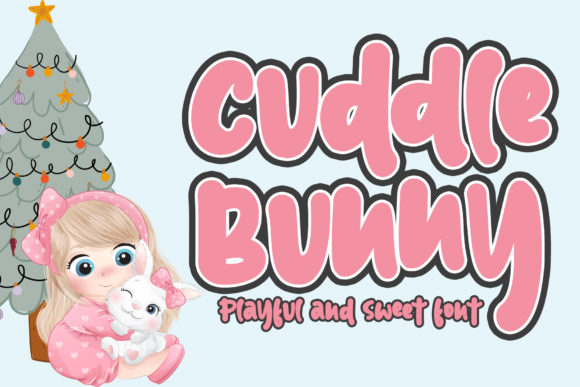
Cuddle Bunny Font: Playful Typography for Marketing
Cuddle Bunny is a display font that brings warmth and whimsy to any design. Its soft curves and friendly character make it ideal for campaigns that need to stand out while maintaining approachability. Whether you're designing for Easter, branding, or social media, Cuddle Bunny adds a touch of personality that resonates with audiences.
As a marketing specialist, you know that typography plays a key role in visual storytelling. Cuddle Bunny isn’t just a font—it’s a tool for creating engaging content that captures attention and builds brand recognition. Its unique style works well across multiple platforms, from digital ads to print materials, ensuring consistency in your brand's visual identity.
Using Cuddle Bunny in Social Media Graphics
Social media platforms like Instagram, Pinterest, and YouTube demand eye-catching visuals that work at a glance. Cuddle Bunny excels in this environment, especially when used for headlines, captions, or callouts. Its playful nature makes it perfect for promotional posts, event announcements, or seasonal content.
For example, an Instagram post promoting a spring sale could feature Cuddle Bunny in the headline to draw attention. The font’s readability on mobile screens ensures that even in small previews, the message remains clear and appealing. Pairing it with a clean sans serif font for supporting text creates a balanced look that’s both stylish and functional.
Enhancing Brand Recognition with Cuddle Bunny
Consistency is key in brand design. Cuddle Bunny can be used as a signature font for logos, banners, or website headers to create a cohesive look across all touchpoints. When audiences see the same typeface repeatedly, it reinforces brand recall and trust.
Consider using Cuddle Bunny for a branded template, such as a newsletter header or email subject line. The font’s friendly tone helps build a connection with your audience, making your brand feel more relatable and approachable. This is especially effective for businesses targeting a younger or more casual demographic.
Creating Memorable Campaigns with Cuddle Bunny
Campaigns often rely on strong visuals to convey a message quickly. Cuddle Bunny’s expressive style makes it ideal for campaign graphics, such as webinar banners, product teasers, or inspirational quote posters. Its ability to evoke emotion enhances the impact of your messaging.
For instance, a webinar banner could use Cuddle Bunny for the title to grab attention while keeping the body text in a simpler font for clarity. Similarly, a product teaser for a new item could use the font in a bold headline to create anticipation and excitement.
Optimizing Readability and Visual Hierarchy
While Cuddle Bunny is visually appealing, it’s important to use it strategically for optimal readability. It works best with short text, such as headlines, titles, or callouts. Avoid using it for long paragraphs, as its decorative style may reduce legibility, especially on smaller screens.
When designing for fast-scrolling feeds or thumbnails, keep the text concise and place it prominently. Using Cuddle Bunny for a main headline ensures that it stands out without overwhelming the viewer. For supporting text, pair it with a complementary font to maintain balance and clarity.
Pairing Cuddle Bunny with Other Fonts
Font pairing is essential for creating visually appealing designs. Cuddle Bunny pairs well with a variety of other fonts depending on the desired aesthetic. For a modern and clean look, combine it with a sans serif font like Helvetica or Montserrat. This contrast highlights the uniqueness of Cuddle Bunny while keeping the overall design professional.
If you’re going for an editorial or classic feel, pairing Cuddle Bunny with a serif font like Georgia or Times New Roman can add sophistication. This combination works well for blog posts, magazine covers, or packaging designs where a mix of personality and elegance is needed.
Applications Across Digital Platforms
Cuddle Bunny is versatile enough to be used in various digital formats. For YouTube thumbnails, it can be used in the title to catch attention while keeping the rest of the design simple. In email headers, it adds a personal touch that makes your messages stand out in crowded inboxes.
On landing pages, Cuddle Bunny can be used for headlines or buttons to guide users through the conversion funnel. Its playful nature makes it ideal for promotions, limited-time offers, or special events. When used correctly, it enhances the user experience without compromising functionality.
Choosing the Right Use Cases for Cuddle Bunny
Understanding when to use Cuddle Bunny is crucial for maximizing its impact. It shines in scenarios where a friendly, approachable tone is needed. This includes personal branding, holiday promotions, or creative projects that require a distinct visual identity.
For example, a small business owner launching a new product line could use Cuddle Bunny in their social media posts and email campaigns to create a consistent, recognizable brand image. It also works well for custom art, stamps, or stationery, where individuality and charm are key selling points.
Always review the commercial licensing terms before using Cuddle Bunny in client projects, merchandise, or digital products. This ensures that you’re compliant with legal requirements and avoids potential issues down the line.
Final Thoughts on Cuddle Bunny
Cuddle Bunny is more than just a font—it’s a design asset that can elevate your marketing efforts. Its unique style, combined with practical usability, makes it a valuable addition to any designer’s toolkit. Whether you’re working on social media graphics, email campaigns, or brand assets, Cuddle Bunny offers a fresh and engaging way to communicate your message.
By leveraging its strengths in readability, visual appeal, and brand consistency, you can create content that not only looks good but also performs well. With the right application, Cuddle Bunny can help you connect with your audience in a meaningful and memorable way.